
Diagnostic Imaging & Ultrasound
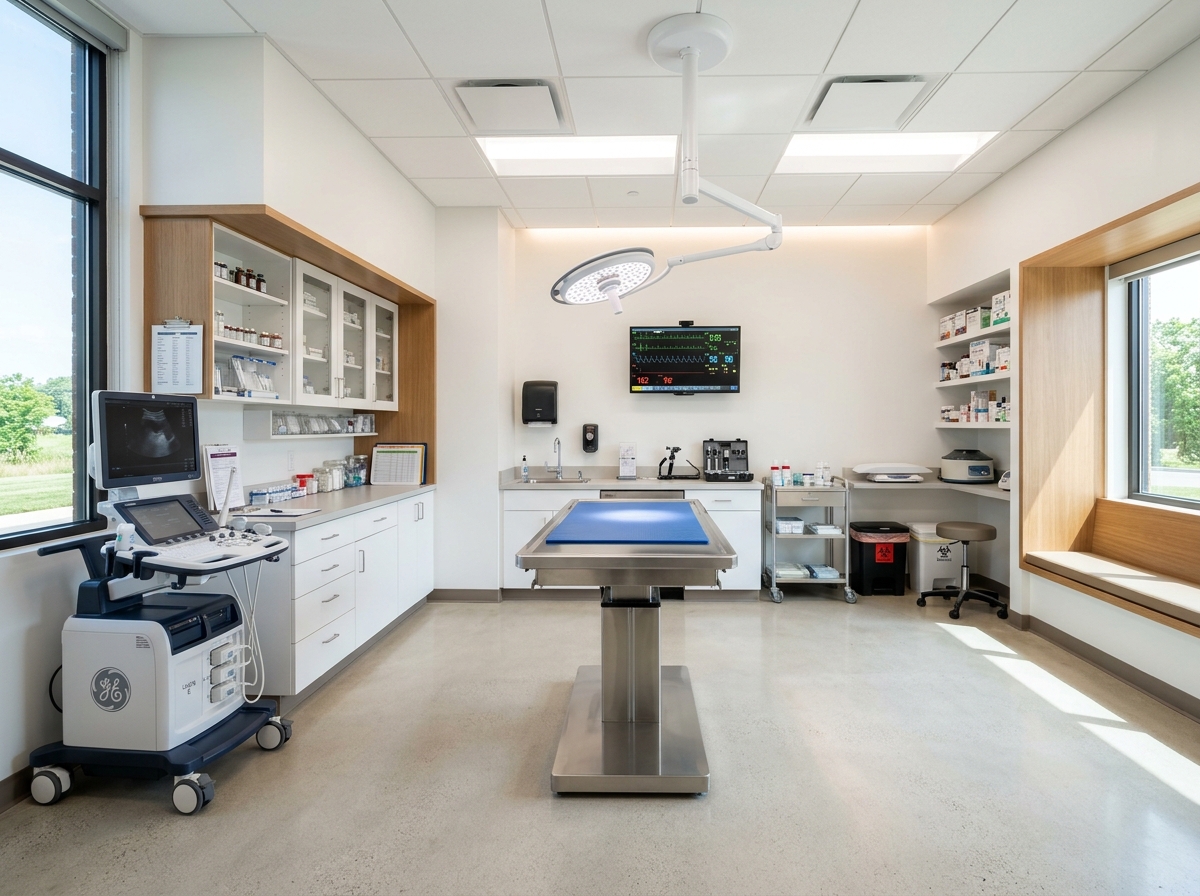
Diagnostic imaging and ultrasound: a clearer picture of health
Diagnostic imaging and high-resolution ultrasound help veterinarians see internal structures, including the heart, lungs, liver, spleen, kidneys and bladder, to support diagnosis without surgery.
Benefits of ultrasound for dogs and cats
Ultrasound is a non-invasive examination without radiation exposure. It can help confirm pregnancy, detect bladder sediment and abdominal masses, and assess heart-muscle function in real time.


Which imaging services are available?
During a health examination and treatment, the veterinarian checks different body systems to assess your pet's overall health, including:
- Abdominal ultrasound: Examining the liver, kidneys, spleen, pancreas, adrenal glands and intestines
- Pregnancy ultrasound: Checking the number of offspring and foetal heart rates
- Bladder and kidney ultrasound: Checking for stones, bladder inflammation and kidney cysts
- Assessment of abdominal or chest fluid: Supporting plans for safe fluid drainage
- Skeletal X-rays: Checking for fractures, hip degeneration and stones
- Chest X-rays: Assessing heart size and lung tissue for pneumonia or masses
- Veterinary interpretation: Explaining the images and providing a copy for the owner
Preparing for an ultrasound examination
For abdominal ultrasound, fasting for 8–12 hours and avoiding urination for 1–2 hours before the examination are recommended, so a filled bladder can help transmit sound waves and produce clearer images.

Here to care for the pet you love
Discuss your pet's symptoms or arrange an appointment with the veterinary team to plan their care.