
Outpatient & Inpatient Care
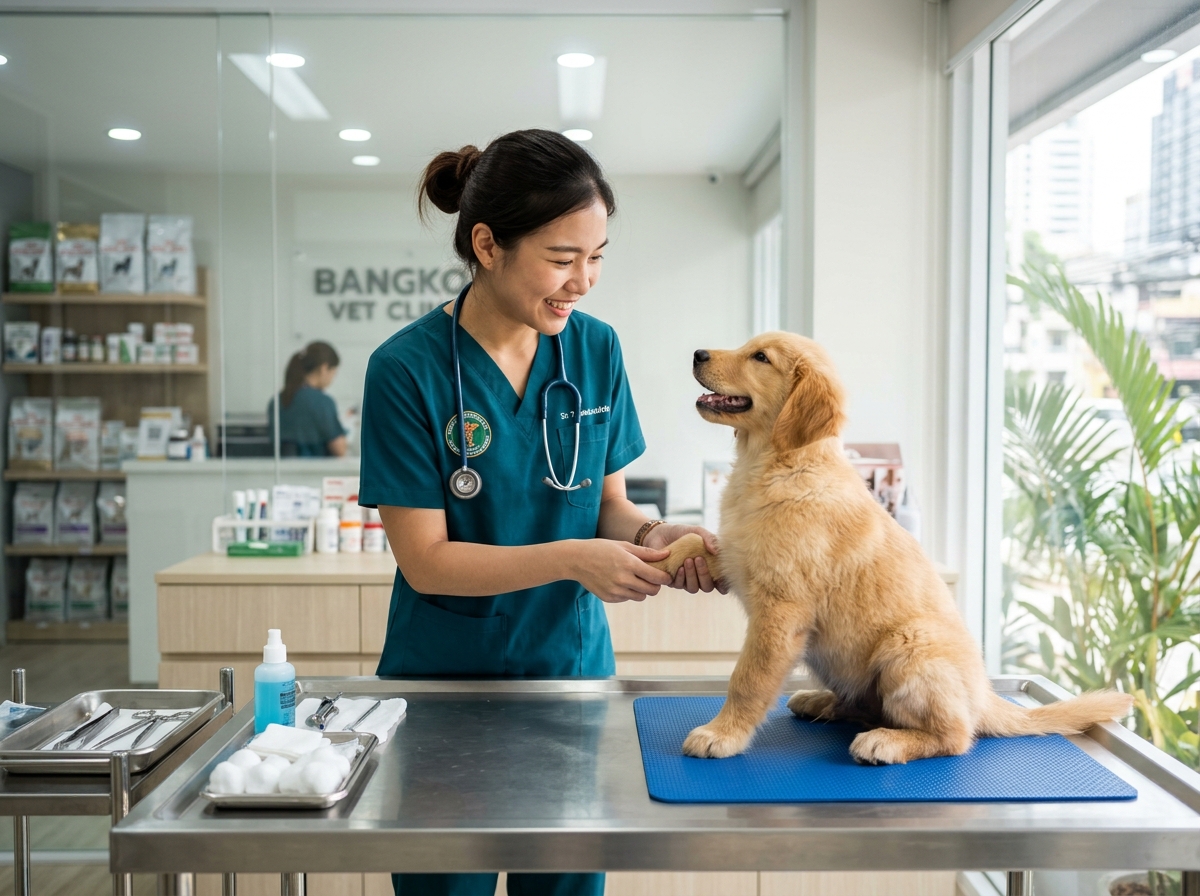
Taking your pet to the vet: why it matters and what to expect
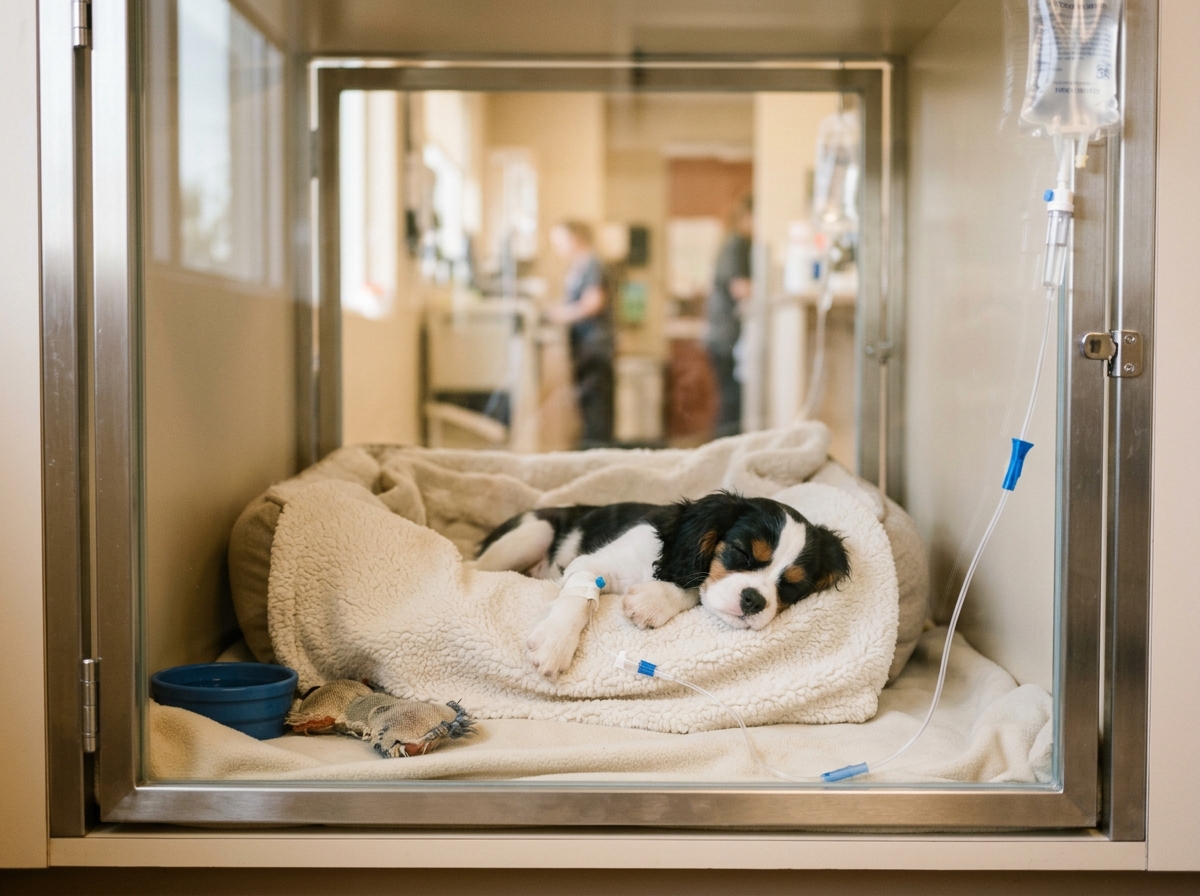
If your dog or cat shows changes such as lethargy, loss of appetite, vomiting or coughing, a prompt veterinary assessment can help identify the cause and plan treatment. Our clinic cares for outpatients (OPD) and pets who need close inpatient monitoring (IPD).
Why is early assessment important?
Pets instinctively hide signs of illness, so a condition may have progressed before an owner notices. A thorough examination helps identify illness early, improves the chance of recovery and reduces discomfort.
What happens during a consultation?
During a health examination and treatment, the veterinarian checks different body systems to assess your pet's overall health, including:
- Health and behaviour history: Discussing symptoms, their duration and changes in everyday life
- Basic vital signs: Checking body temperature, heart rate and breathing
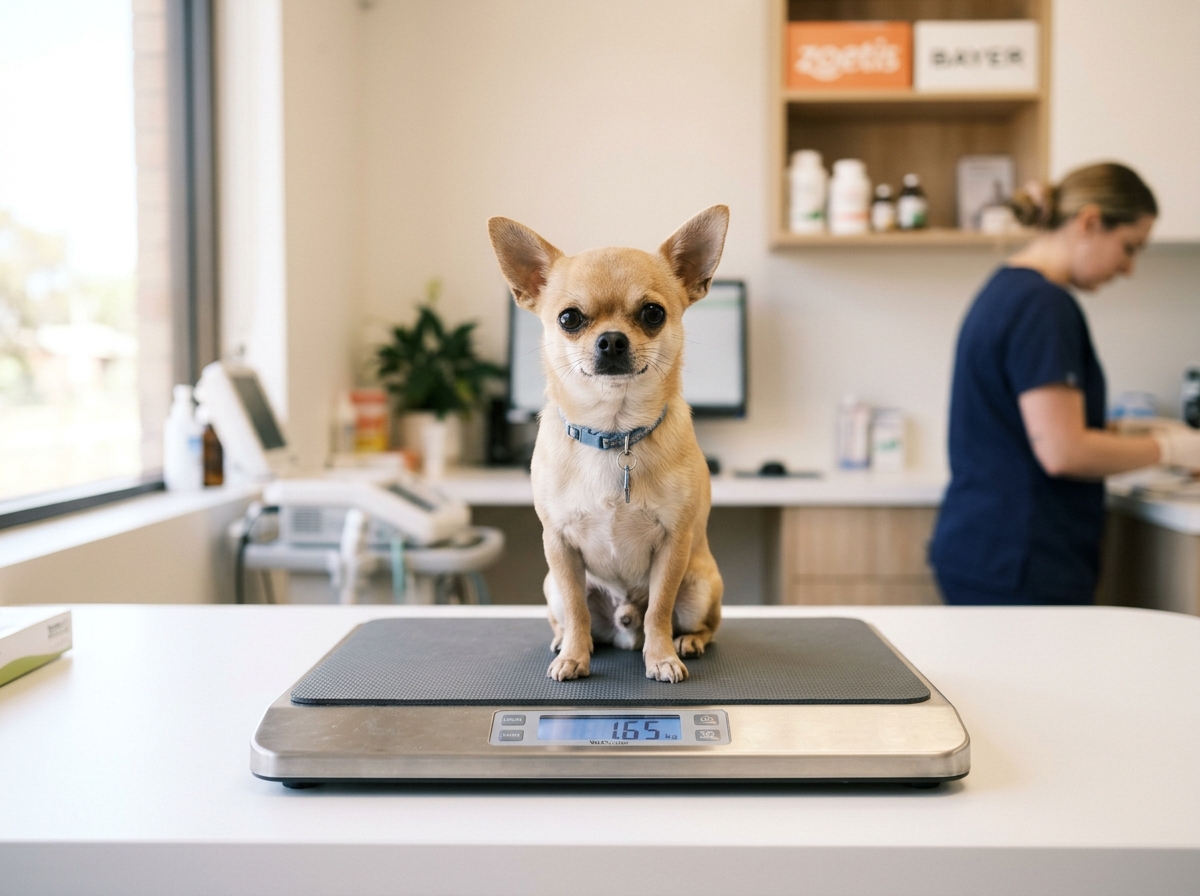
- Weight and body condition: Monitoring weight trends and nutritional status
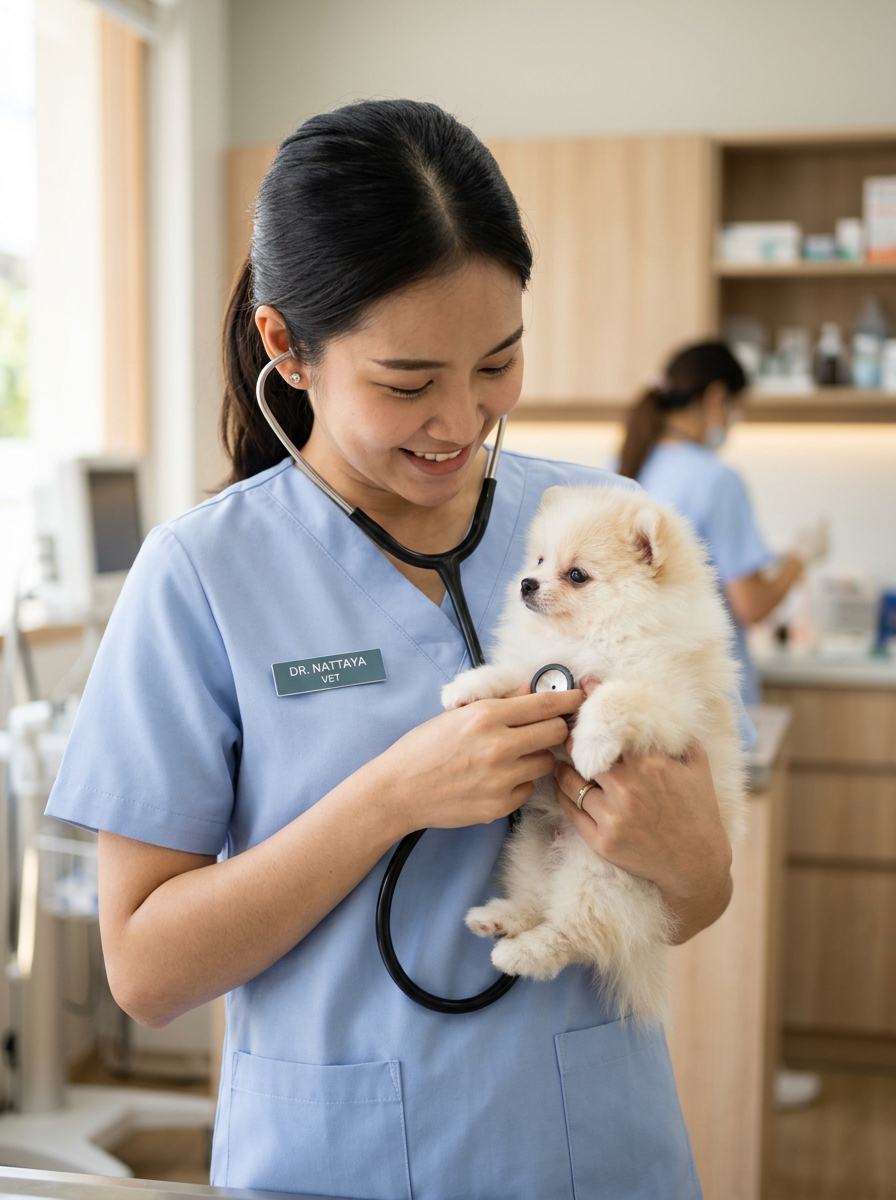
- Listening to the lungs and heart: Assessing the respiratory and circulatory systems
- Abdominal and internal-organ palpation: Checking for painful areas, lumps or enlargement
- Eye, ear, mouth and dental health: Checking for inflammation, tartar and gum problems
- Musculoskeletal examination: Assessing gait and joint movement
- Treatment planning and explanation: Discussing treatment options and ongoing care with the owner
Ongoing care and follow-up
After treatment, the veterinary team explains how to give medication, care for wounds and observe your pet at home. Follow-up is arranged as appropriate to support recovery and a return to everyday activity.
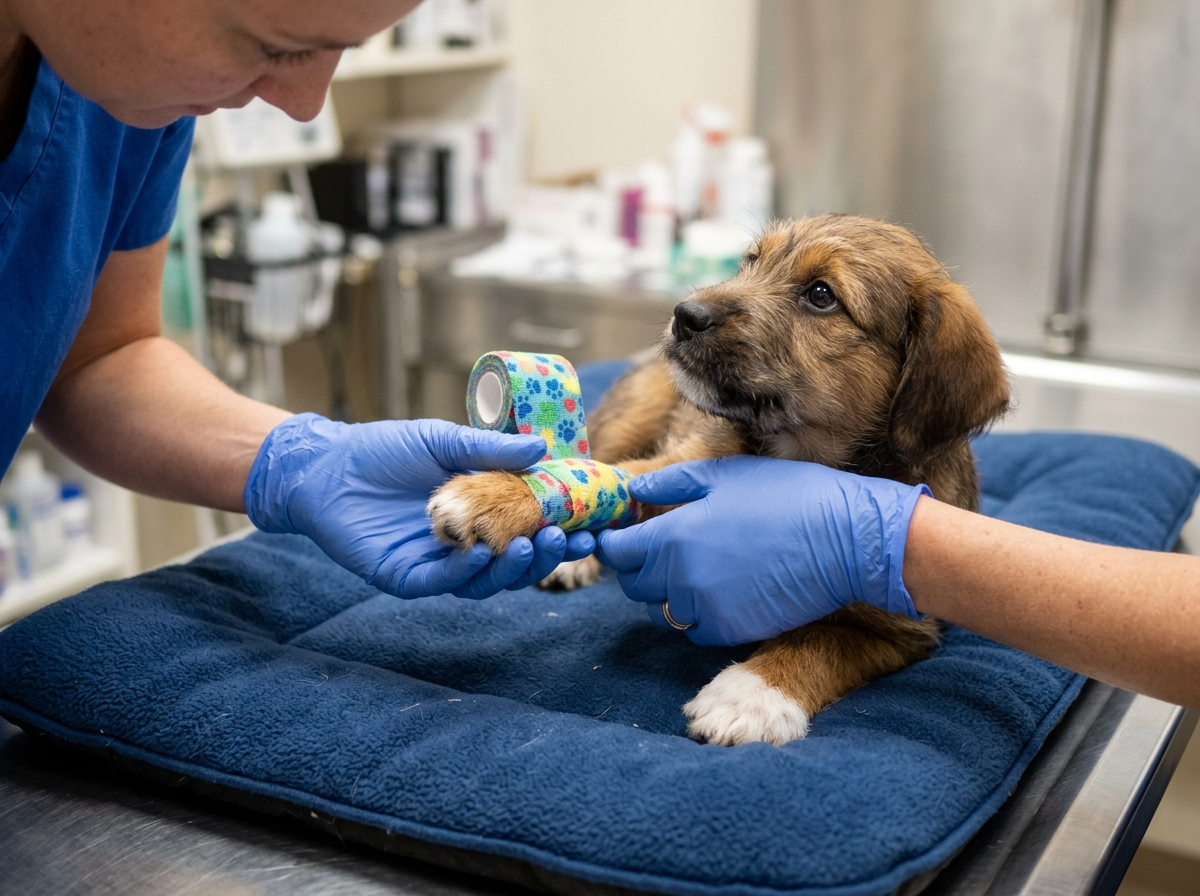
Here to care for the pet you love
Discuss your pet's symptoms or arrange an appointment with the veterinary team to plan their care.