
Laboratory Tests
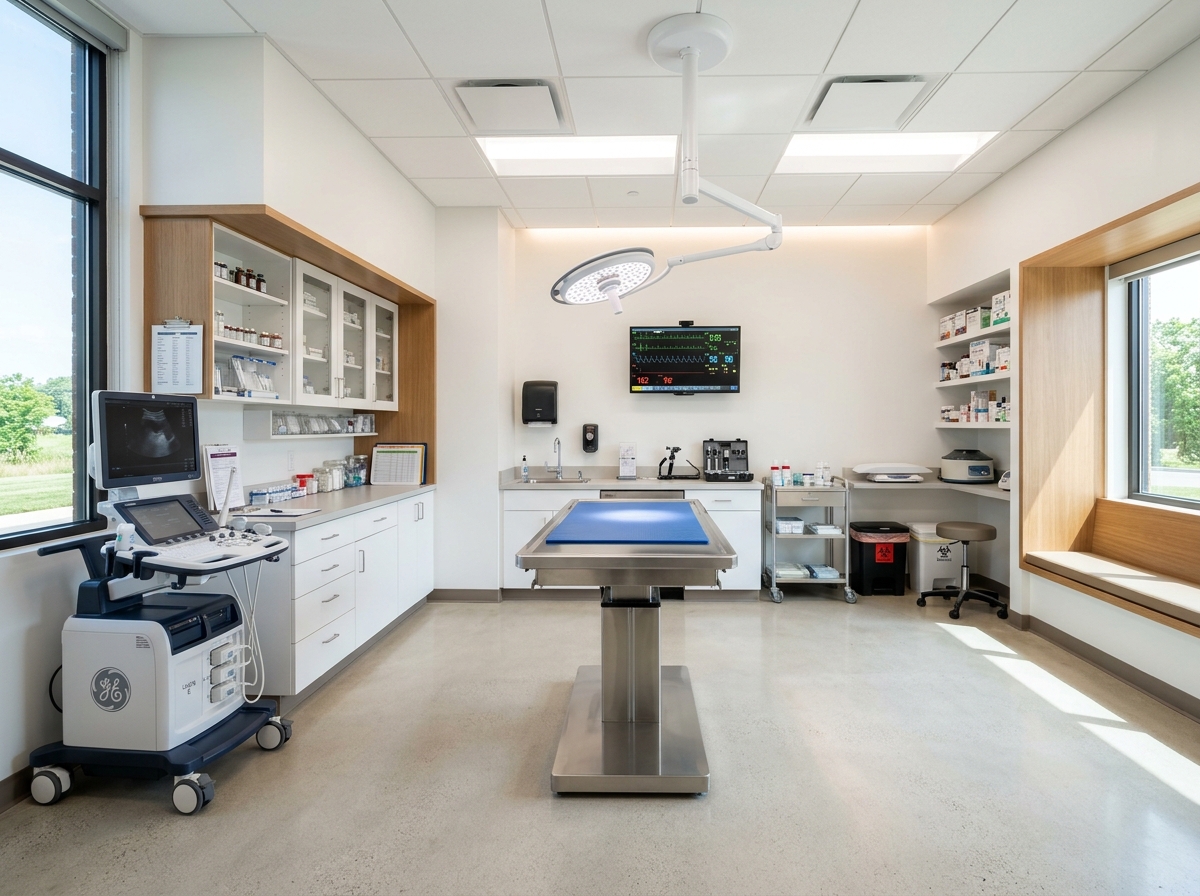
Laboratory testing: a closer look at your pet's health
Blood tests and laboratory samples help veterinarians assess internal processes that cannot be seen in an external examination, such as liver and kidney function, blood cell counts and blood glucose, to support prompt diagnosis.
Why are laboratory tests important before surgery?
Before anaesthesia for surgery or dental scaling, blood testing helps assess general health, blood clotting and how the liver and kidneys process anaesthetic agents, helping reduce anaesthetic risk.
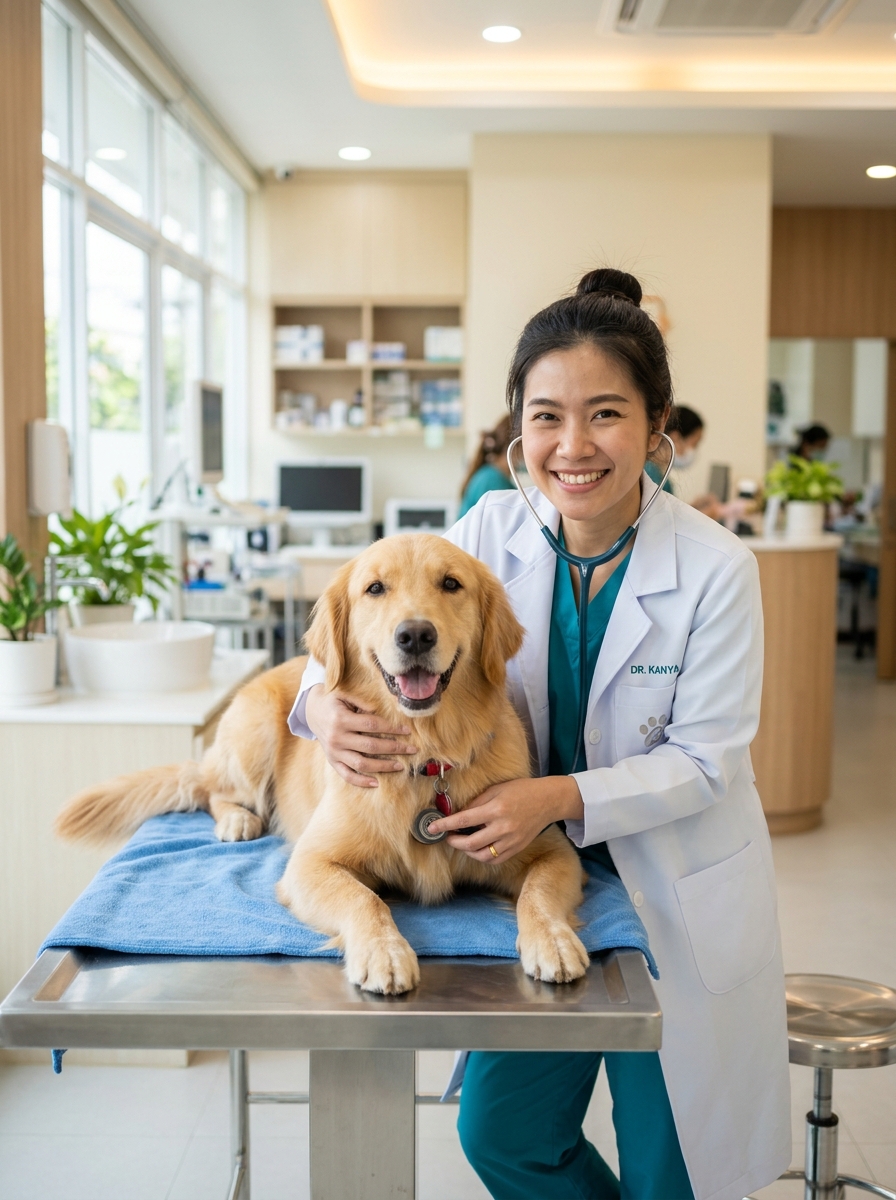
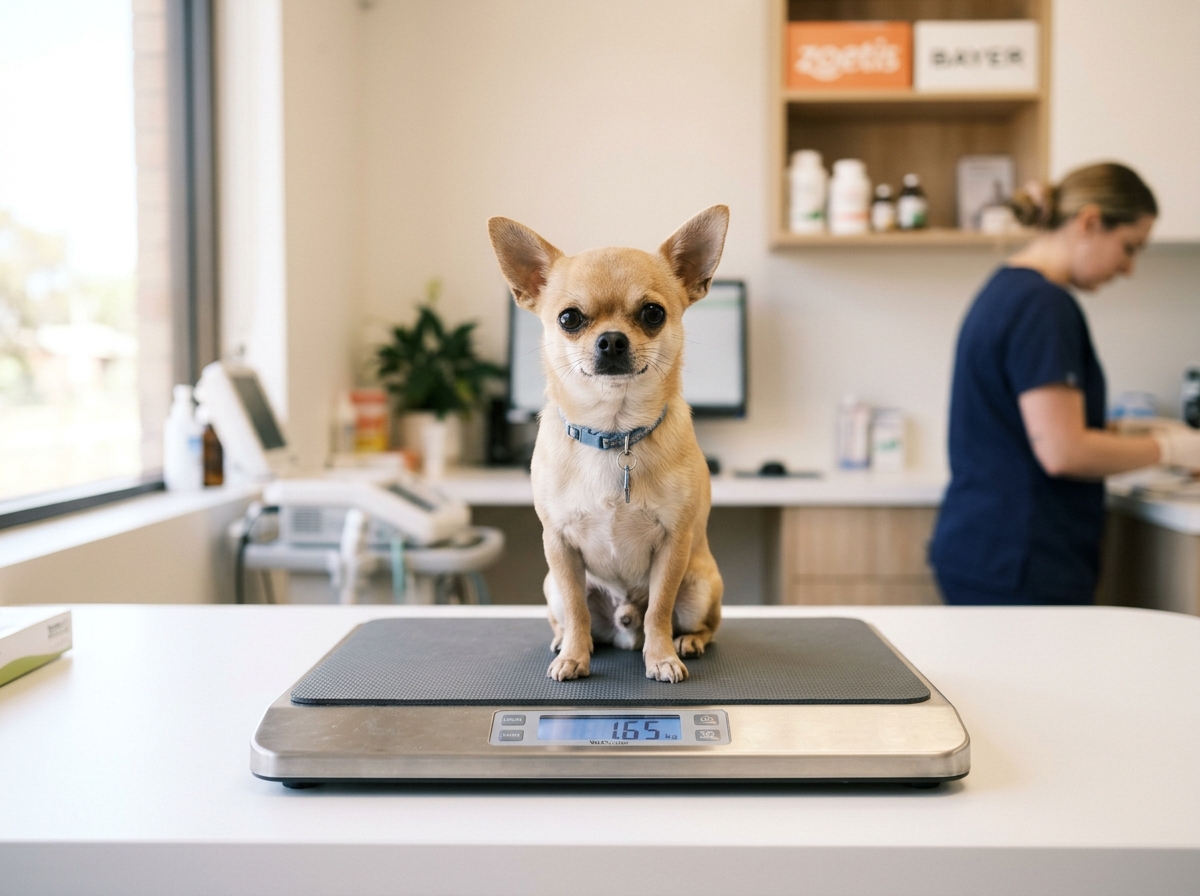
Available laboratory tests
During a health examination and treatment, the veterinarian checks different body systems to assess your pet's overall health, including:
- Complete blood count (CBC): Red cells, white cells and platelets to assess anaemia and infection
- Blood chemistry: Liver parameters (ALT, ALKP) and kidney parameters (BUN, creatinine)
- Blood parasite testing: Testing for Ehrlichia, Babesia, Anaplasma and heartworm
- Blood glucose testing: Screening and monitoring diabetes in dogs and cats
- Urinalysis: Checking for crystals, blood cells and bladder infection
- Faecal examination: Checking for worm eggs and intestinal protozoa
- Skin fungus and parasite testing: Skin scrapings and microscopic examination for mites and fungi
- Rapid diagnostic tests: Testing for feline panleukopenia, feline leukaemia (FeLV) and feline immunodeficiency virus (FIV)
Results and discussion
Most results are available the same day. The veterinarian explains each result clearly and summarizes the findings in a health report to support long-term care.


Here to care for the pet you love
Discuss your pet's symptoms or arrange an appointment with the veterinary team to plan their care.